
colored float glass
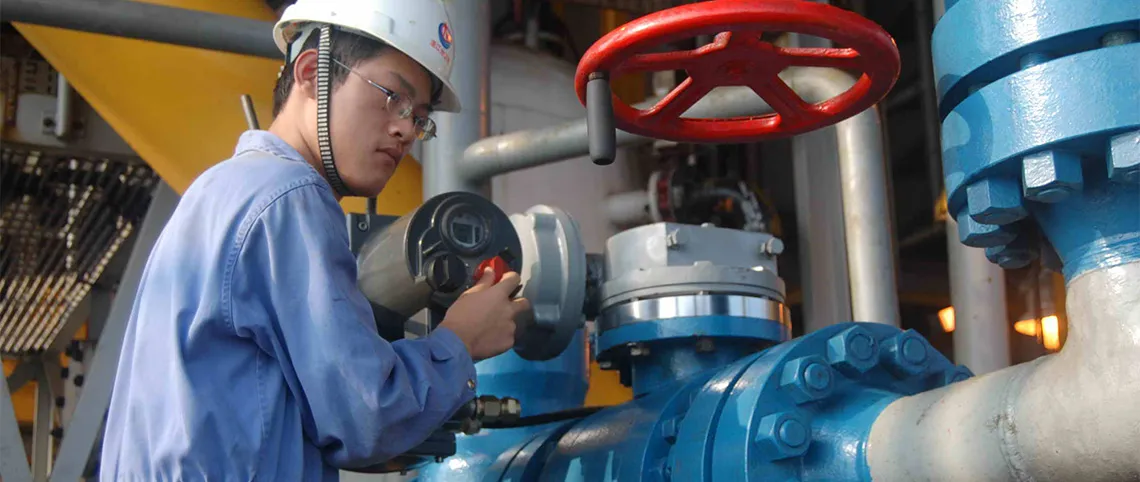
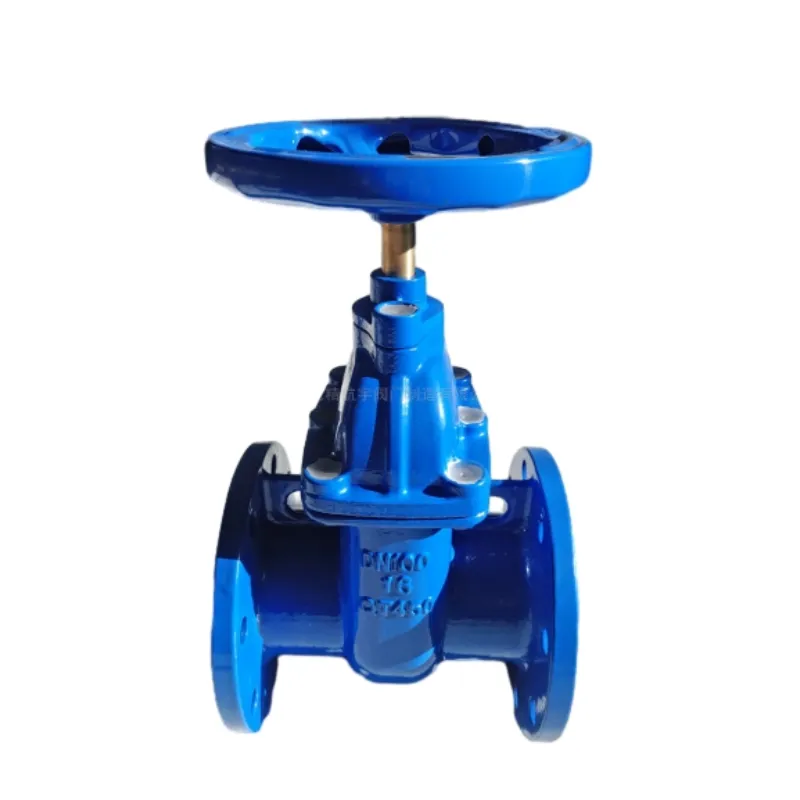
The Importance of Water Valves in Modern Infrastructure Water valves play a crucial role in the management and distribution of water, one of the most essential resources for life. Among the various types of valves used in plumbing systems, the 1% 201 2% water valve is a noteworthy example, offering a range of applications that enhance efficiency and reliability. Understanding the significance of these valves can provide insight into their impact on modern infrastructure and daily life. The Functionality of Water Valves At their core, water valves are devices that control the flow of water within a piping system. They can be used to start, stop, or modulate the water flow, making them integral to various applications, from residential plumbing to large-scale industrial systems. The 1% 201 2% water valve is specifically designed with features that facilitate precise flow control. These valves are constructed to handle different pressures, temperatures, and water quality conditions, making them versatile options for numerous environments. Their primary function is to regulate water distribution in a way that maximizes efficiency while minimizing waste. Applications in Infrastructure One of the primary applications of the 1% 201 2% water valve is in municipal water supply systems. These valves are used to manage the flow of potable water from treatment plants to homes and businesses. By ensuring that water is delivered efficiently, these valves help maintain a steady supply, which is critical for communities. 1 1 2 water valve Moreover, in irrigation systems, water valves play a vital role in agriculture. The 1% 201 2% water valve can automate the distribution of water to crops, ensuring that plants receive the appropriate amount of water without over- or under-irrigation. This capability not only conserves water but also enhances crop yields, contributing to food security. In industrial settings, these valves help manage water in manufacturing processes, cooling systems, and waste treatment plants. By regulating water flow, they ensure that operations run smoothly and safely. The ability to control water presence and pressure is particularly important in preventing damages and ensuring compliance with environmental regulations. Benefits of Using Efficient Water Valves The adoption of advanced water valves like the 1% 201 2% valve offers several benefits. One of the primary advantages is efficiency. By optimizing water flow, these valves reduce waste and energy consumption. For instance, they can help lower water bills for households and businesses, making their use economically appealing. Additionally, efficient water management contributes significantly to environmental sustainability. In a world where water scarcity is becoming increasingly prevalent, using valves that can enhance water conservation is essential. By minimizing leaks and ensuring that water is used where needed, these valves support efforts to protect this precious resource. Conclusion In conclusion, the 1% 201 2% water valve exemplifies the critical role that water valves play in contemporary infrastructure. From municipal supply systems to irrigation and industrial processes, these valves ensure the efficient and effective management of water resources. Their ability to control flow not only promotes economic savings but also advances sustainability efforts in a world where water is becoming a precious commodity. As we continue to navigate the challenges presented by climate change and population growth, the importance of such mechanisms in maintaining our water systems cannot be overstated. Investing in quality water valves is investing in a sustainable future for generations to come.
about
colored float glass
Understanding One-Way Water Valves Essential Components in Fluid Control In various industries, the efficient and reliable movement of fluids is paramount. One essential component that facilitates this is the one-way water valve, often referred to as a check valve. These devices are designed to allow fluid (liquid or gas) to flow in only one direction, preventing backflow and ensuring the proper functioning of hydraulic systems, water supply lines, and irrigation systems, among others. How One-Way Water Valves Work At its core, a one-way water valve consists of a seat and a movable element, typically called a disc or ball. When fluid flows in the designated direction, the force of the fluid opens the valve, allowing it to pass through. However, if the fluid attempts to flow back, the movable element is pushed against the seat, effectively closing the valve and preventing reverse flow. This simple yet effective mechanism makes one-way valves critical components in ensuring the safety and reliability of various piping systems. Applications of One-Way Water Valves One-way water valves are commonly used in several applications. In residential plumbing, for instance, they can prevent backflow in water supply systems, ensuring that clean water does not mix with potentially contaminated water. Similarly, in irrigation systems, check valves can prevent water from draining back into the supply line when the pump is turned off, maintaining pressure and optimizing water usage. In industrial settings, one-way water valves play pivotal roles in processing fluids. They are often employed in manufacturing plants where liquids or gases must be transferred through pipelines without the risk of backflow, which could lead to contamination or equipment failure. Moreover, they are vital in sewage and wastewater management systems, where they help direct flow and prevent backflow that could cause significant environmental hazards. Types of One-Way Water Valves There are several types of one-way water valves, each designed for specific applications. The most common types include one way water valve 1. Swing Check Valves These valves have a disc that swings on a hinge. They are ideal for systems where the fluid flow is steady and can operate effectively under various pressure conditions. 2. Ball Check Valves Utilizing a spherical component that sits on a seat, these valves are generally used in applications involving high pressure and dirty fluids due to their ability to handle solid particles. 3. Spring-Loaded Check Valves These feature a spring mechanism that helps keep the valve closed until the fluid pressure overcomes the spring force. This type of valve is useful in applications where the flow might be subject to fluctuations. 4. Diaphragm Check Valves These utilize a flexible diaphragm that opens and closes the valve based on pressure changes. They are often used in sanitary applications or where leakage must be minimized. Maintenance and Considerations While one-way water valves are designed to be durable and reliable, regular maintenance is essential to ensure their proper functioning over time. Factors such as corrosion, sediment buildup, and wear and tear can affect their performance. It is advisable to periodically inspect and clean the valves or replace them if significant deterioration is noted. When selecting a one-way water valve for a specific application, factors like the type of fluid, pressure requirements, and environmental conditions should be considered to ensure optimal performance. In conclusion, one-way water valves are integral components in fluid control systems across various applications. Their ability to prevent backflow not only safeguards the integrity of the fluid being transported but also enhances the efficiency of numerous operations. Understanding their functionalities, types, and maintenance needs is crucial for anyone involved in plumbing, industrial processes, or fluid management.
-

High quality industrial productsagement

High quality industrial products
View Details -

Meet the diverse needs of customers

Meet the diverse needs of customers
View Details -

Strict quality control

Strict quality control
View Details -

Top raw materials

Top raw materials
View Details -

Trusted supplier

Trusted supplier
View Details
Our application
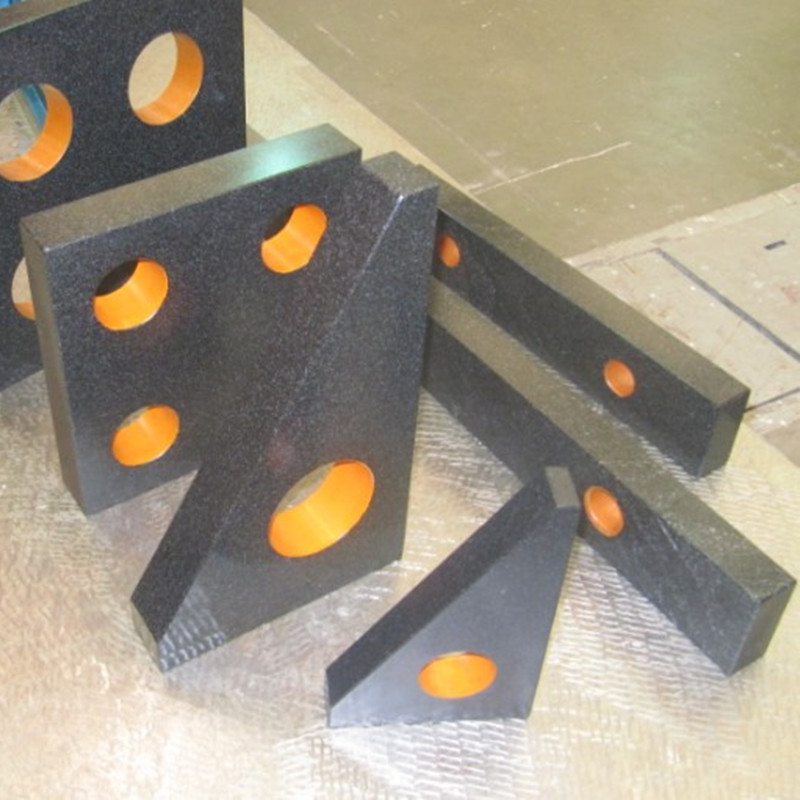
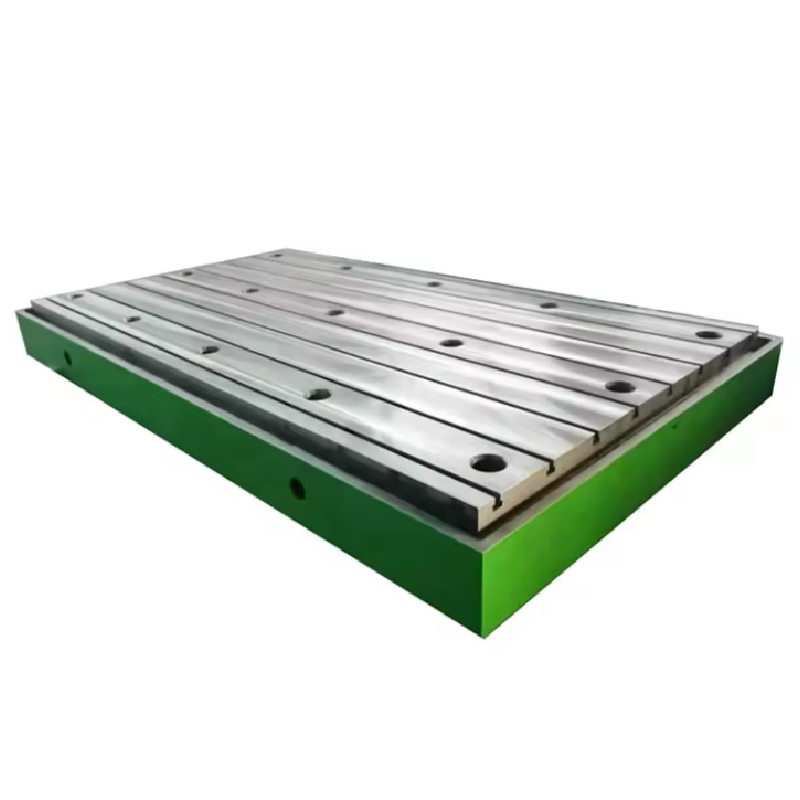

news and information

Wskaźnik pierścienia gwintu standardowy
Standardy narzędzi do pomiaru gwintów – Gniazdo gwintowe Standardy narzędzi do pomiaru gwintów – Gni

v block v block
Understanding V Block A Fundamental Tool in Manufacturing and Engineering In the world of manufactur
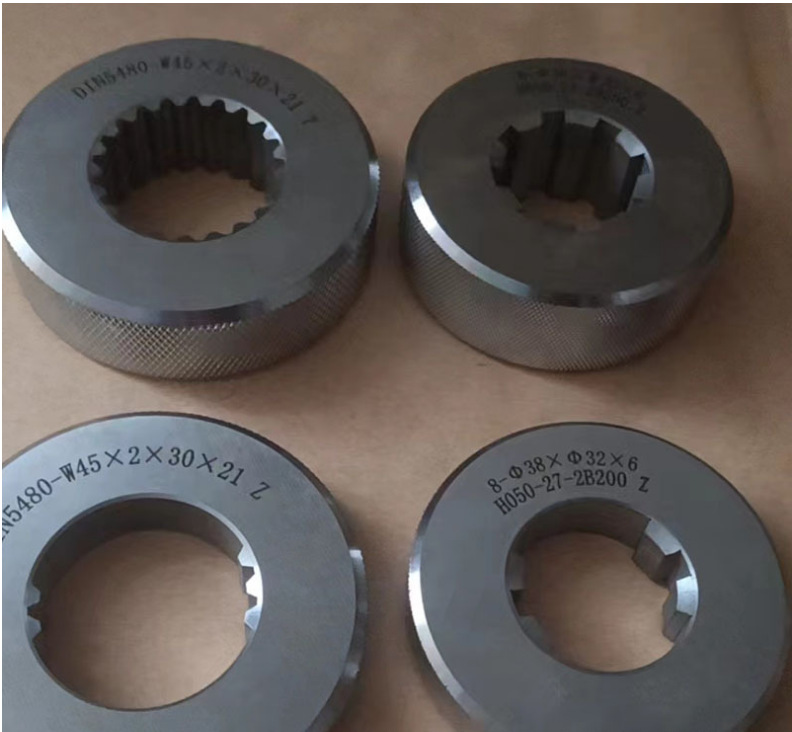
Vidin'ny vidin'ny fitaovana fanombanana tariby sy fangarona
Ny vidin'ny fitaovana fanombanana rohy dia tena zava-dehibe amin'ny indostria sy ny sehatra hafa man
 English